Foundation Patching in Frisco, TX
Foundation patching in Frisco, TX is a specialized repair process used to seal surface cracks, repair minor concrete deterioration, and prevent moisture intrusion before small issues develop into serious structural problems. In North Texas, foundations are constantly influenced by expansive clay soils and seasonal drought cycles, which cause concrete to expand and contract throughout the year. This constant movement can lead to small cracks, chips, and surface damage that require timely repair. At Frisco Foundation Repair Experts, our team performs professional foundation patching throughout Frisco and nearby communities such as Prosper, Little Elm, and McKinney, helping homeowners and businesses protect their foundations from water infiltration and progressive cracking. Many homes built during Frisco’s rapid development between the late 1990s and early 2010s use concrete slab foundations that experience seasonal stress from the Blackland Prairie clay soil common across Collin and Denton Counties. By sealing cracks early using proven patching methods, property owners can extend the life of their foundations and avoid more expensive structural repairs later.
Read moreShow less
By submitting this form, you agree to receive automated texts or calls from us. Msg & data rates may apply. Reply STOP to cancel. You also agree to the Terms of Service and Privacy Policy. Consent is not a condition of purchase.
Understanding Foundation Patching
Foundation patching is a repair method used to seal and restore non-structural cracks, surface damage, and minor concrete deterioration in slab or masonry foundations. Unlike structural repairs that may require pier systems or deep stabilization, patching focuses on cosmetic cracks and shallow fissures that do not yet compromise load-bearing integrity. In many cases, it serves as a preventative Foundation Solution to stop small defects from developing into larger structural concerns.
Concrete naturally develops minor cracking over time due to curing shrinkage, temperature fluctuations, and gradual soil movement. In Frisco, TX, this process occurs more frequently because homes are built on expansive clay soils that swell during wet seasons and shrink significantly during drought. This ongoing expansion and contraction places tension along the slab surface, leading to common Foundation problems such as hairline cracks and minor edge separations.
Read moreShow less
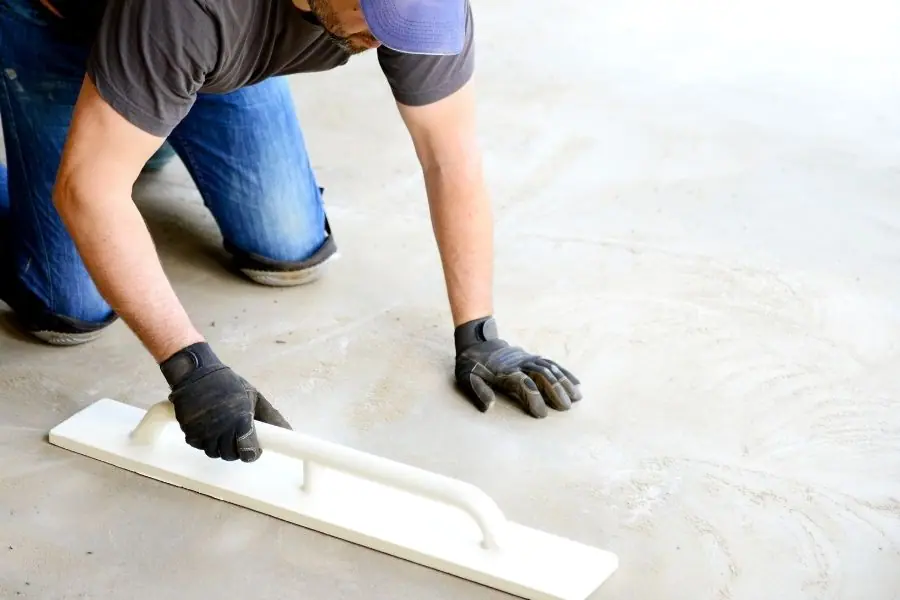
Foundation patching typically involves thoroughly cleaning the damaged area, injecting bonding compounds, filling cracks, and refinishing the surface to restore both strength and appearance. Materials often used include epoxy injections, polyurethane sealants, and cementitious repair compounds engineered to chemically bond with existing concrete.
Many homes in Frisco’s earlier subdivisions—such as The Colony and Hebron—were built during rapid housing growth in the late 1990s and early 2000s. Slab-on-grade foundations were widely used for cost efficiency. While durable, these slabs remain susceptible to cosmetic cracking caused by seasonal soil movement and moisture variation.
Today, patching remains one of the most common minor repair services across North Texas. Property owners often schedule patching before waterproofing applications or exterior coatings to prevent moisture intrusion and surface erosion. Addressing cracks early can help control long-term Foundation Cost concerns by avoiding more extensive stabilization work later.
When properly executed, concrete patching restores the protective surface layer of the slab and reduces the risk of further deterioration. For accurate crack assessment and durable repairs suited to North Texas soil conditions, work should be performed by a trusted Foundation contractor experienced in evaluating both cosmetic and structural foundation behavior.
Why Frisco Homes Need Foundation Patching
Foundation patching is particularly important in Frisco, TX because of the region’s unique geological conditions. The city sits within the Blackland Prairie region, which contains highly expansive clay soils rich in montmorillonite minerals. These soils can change volume dramatically depending on moisture levels, exerting pressure on concrete foundations.
Expansive Clay Soil Movement
The Mechanism
The dominant soil type in Frisco and surrounding areas is Houston Black Clay, a highly plastic soil capable of swelling up to 10–15% in volume when saturated with water. During prolonged droughts—such as the severe Texas drought of 2011, one of the worst in state history—the soil dries and shrinks, pulling away from foundations and leaving unsupported gaps.
Read moreShow less
When rain returns, the clay expands again, pushing against the foundation walls and slab edges. This repeated expansion and contraction cycle creates tension across the concrete surface, producing hairline cracks and small fractures that require foundation cosmetic repair.
Symptoms
Homeowners in Frisco often notice:
- Thin vertical or diagonal cracks along foundation walls
- Small chips or flaking concrete surfaces
- Minor gaps near slab edges
- Surface cracking near garage foundations
These cracks may appear harmless initially but can allow water infiltration if left untreated.
Frisco-Specific Factors
Neighborhoods such as Prosper, Savannah, and Celina are especially prone to soil movement because many homes are built on newer developments where soil has been heavily disturbed during grading and construction.
Local landscaping can also contribute to soil shrinkage. Mature live oak, cedar elm, and post oak trees commonly planted in North Texas yards can draw 50–100 gallons of water per day during summer heat, intensifying soil drying near foundations.
Shrinkage Cracks from Concrete Curing
The Mechanism
Concrete shrinks slightly as it cures and loses moisture during its first year. In hot climates like North Texas—where summer temperatures frequently exceed 100°F—this curing process accelerates.
When slab foundations are poured during peak summer construction periods, the rapid evaporation of moisture can lead to shrinkage cracks, which are usually cosmetic but may still require patching.
Symptoms
These cracks typically appear as:
- Hairline cracks less than 1/8 inch wide
- Straight or spiderweb patterns across exposed concrete
- Small cracks around corners or slab edges
Although they are not structural issues, sealing them with foundation crack patching prevents water intrusion and protects the concrete surface.
Water Entry Through Small Foundation Cracks
The Mechanism
During North Texas storm events, heavy rainfall can cause rapid soil saturation. Frisco receives approximately 40 inches of rainfall annually, with intense storms occurring during spring and early fall.
Small cracks or construction gaps in the foundation can become entry points for water seepage, particularly around:
- Cold joints in concrete slabs
- Form tie holes
- Foundation wall intersections
Symptoms
Property owners may notice:
- Damp spots near foundation walls
- Small puddles after heavy rain
- Efflorescence (white mineral deposits) forming on concrete
By performing surface crack repair, these entry points can be sealed before moisture penetrates deeper into the foundation.
Free, no-obligation estimates
Talk to Frisco Foundation Repair Experts
Tell us what you need and we’ll take it from there.
Signs You Need Foundation Patching
Recognizing early signs of foundation surface damage can help prevent more serious repairs later.
Exterior Signs
- Hairline cracks appearing along exposed foundation walls
- Small chips or flaking concrete surfaces
- Minor spalling where concrete begins to peel
- Visible cracks around slab corners or edges
Interior Signs
- Thin cracks near baseboards or floor edges
- Minor separations between flooring and walls
- Small cracks forming near door frames
Structural Surface Signs
- Small holes left from construction form ties
- Honeycomb concrete from incomplete pouring
- Cracks at the junction between slab and wall
If cracks widen beyond ¼ inch or appear alongside door or window misalignment, it may indicate deeper foundation problems requiring professional inspection.
How We Perform Foundation Patching in Frisco
At Frisco Foundation Repair Experts, we follow a structured repair process designed for the soil conditions and climate patterns of North Texas.
Foundation Patching Methods and Approaches
Foundation Patching Cost in Frisco, TX
The cost of foundation patching in Frisco, TX depends on crack size, depth, and repair method.
Typical ranges include:
- Minor crack patching: $250 – $700
- Moderate surface repairs: $700 – $2,000
- Multiple crack patching or larger areas: $2,000 – $4,000
Several local factors influence foundation repair costs, including soil movement, accessibility around the foundation, and whether waterproofing measures are required.
Homes in Savannah and Prosper often require additional sealing due to soil moisture fluctuations, while older homes in The Colony and Hebron may require patching of construction joints.
Our team provides transparent estimates and explains repair options before work begins.
Frisco Neighborhoods We Serve
Maintaining Your Foundation in Frisco
To reduce the need for frequent repairs:
- Maintain consistent soil moisture around your foundation
- Install proper drainage systems
- Avoid planting large trees too close to foundations
- Seal visible cracks early with professional patching
- Schedule periodic foundation inspections
These preventative steps can significantly extend the lifespan of your foundation.
Why Frisco Property Owners Choose Frisco Foundation Repair Experts
Frisco Foundation Repair Experts specializes in foundation solutions designed specifically for North Texas soil conditions. Our team understands how Blackland Prairie clay affects residential and commercial foundations and uses repair methods tailored for long-term performance.
Property owners choose us because we:
- Provide detailed inspections before recommending repairs
- Use professional materials designed for Texas climate conditions
- Offer transparent pricing and clear explanations
- Serve both residential and commercial properties
Whether you need minor patching or full foundation repair services, our experienced team ensures your foundation is properly protected.
FAQ
Frequently Asked Questions About Foundation Patching
How long does foundation patching take?
Most patching repairs can be completed in a few hours to one day, depending on the number of cracks and repair method used.
How much does foundation patching cost in Frisco?
Costs typically range from $250 to $4,000, depending on the size and number of cracks being repaired.
Is foundation patching a permanent repair?
Patching seals cracks and protects the concrete surface, but structural movement may require additional repairs.
Why are older Frisco homes more vulnerable?
Yes. Most minor foundation repair work is completed outside the home and does not require relocation.
Why do foundations crack in Frisco?
Seasonal soil expansion and contraction in the Blackland Prairie clay soils commonly cause surface cracks in foundations.
Schedule Your Free Foundation Inspection
If you’ve noticed cracks, chips, or other signs of foundation surface damage, early repairs can prevent more expensive structural work later. Frisco Foundation Repair Experts provides professional foundation patching in Frisco, TX for residential, commercial, and industrial properties. Our team proudly serves Frisco, Prosper, McKinney, Little Elm, Celina, and surrounding North Texas communities with reliable inspections and long-lasting repairs.
Why choose us
Why choose Frisco Foundation Repair Experts?
Free estimates
Get a clear, no-obligation estimate before any work begins.
Licensed & insured
Your property and our crew are protected on every project.
Residential & commercial
One team for homes, multi-family and commercial properties.
Locally owned & operated
A local team serving your community and the surrounding area.
Get in touch
Find foundation repair help near you
Request a free estimate online or give us a call — our team will follow up quickly.
- Call us(972) 440-1676
- Visit400 Stonebrook Pkwy suite 401, Frisco, TX 75036
- HoursMon-Sun: 7:00 am – 7:00 pm